
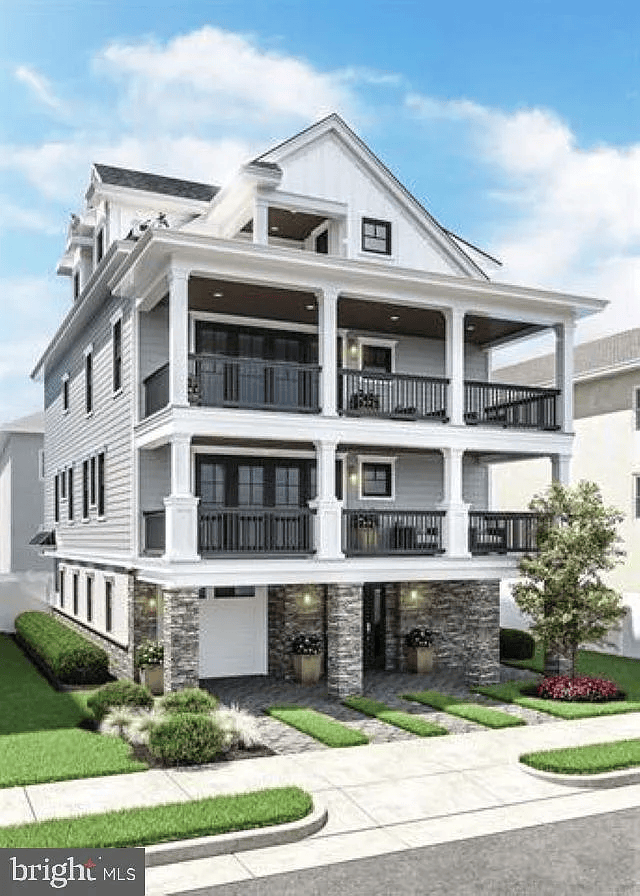
Owning an older home near the shore often leads to a deceptively simple question: should you renovate what is already there, or start over? The right answer depends on much more than finishes and curb appeal. Structure, elevation, zoning, lot constraints, intended use, and long-term value all matter.
Begin with the property, not the wish list
Before comparing kitchens or floor plans, understand the existing building and site. A professional assessment should examine the foundation, framing, roof, major systems, signs of water intrusion, and the feasibility of bringing the home up to current expectations.
At the shore, the lot can be just as important as the house. Setbacks, allowable building coverage, height limits, parking, flood requirements, and access for construction may shape what is practical. Local requirements vary, so early conversations with qualified professionals and the appropriate municipal offices are essential.
When renovation may make sense
Renovation can be a strong choice when the home has a sound structure, a layout that can be improved without disproportionate reconstruction, and architectural character worth retaining.
It may also be attractive when:
- the existing footprint works well on the lot;
- targeted improvements can accomplish the owner’s goals;
- local rules make the current structure advantageous;
- the work can be phased around budget or occupancy needs; or
- preserving the home is personally important.
A substantial renovation still needs a realistic scope. Opening walls can reveal conditions that were not visible during initial planning, so a sensible contingency should be part of the budget.
When new construction deserves consideration
Starting fresh may provide better value when the structure needs extensive repair, the layout cannot support the intended lifestyle, or nearly every major system requires replacement.
New construction can make it easier to coordinate:
- modern elevation and flood-conscious design;
- efficient mechanical and electrical systems;
- an elevator or accessibility planning;
- parking and storage;
- outdoor living and decks;
- views, daylight, and privacy; and
- a cohesive structural and architectural plan.
The comparison should be based on complete project costs—not simply demolition versus renovation pricing. Design, approvals, temporary housing, site work, utilities, landscaping, financing, and schedule all affect the decision.
Think about how the home will be used
A year-round residence, seasonal family home, rental property, and resale-focused development each has different priorities. A household planning to keep a home for decades may value customization and durability differently from an owner preparing a property for the market.
The best plan connects construction decisions to that intended use. More space is not automatically better; well-planned circulation, storage, outdoor access, and resilient materials often make a larger difference in daily life.
Create a side-by-side feasibility plan
For a difficult decision, outline both paths at a high level:
- document the condition and constraints of the property;
- define the must-have outcomes;
- establish conceptual scopes for renovation and rebuilding;
- compare probable schedules, risks, and total investment;
- review zoning and approval implications; and
- consider long-term use and market position.
This turns an emotional either-or decision into a clearer development analysis.
A local team can surface issues earlier
Coastal work rewards early coordination among construction, design, engineering, valuation, and permitting professionals. The goal is not to force every property into the same solution. It is to understand the site well enough to choose the path that delivers the strongest combination of livability, feasibility, and long-term value.
Ocean Property Solutions evaluates renovation and new-construction opportunities throughout Ventnor, Margate, Atlantic City, Ocean City, and nearby South Jersey shore communities.
This article provides general information, not legal, engineering, real estate, financial, or code advice. Property-specific decisions should be reviewed with the appropriate licensed professionals and local authorities.